Plotting on Wood and Other Unusual Surfaces
Pen plotters aren't limited to paper. Learn how to plot on wood, fabric, acetate and more — the right pens, surface prep, and machine settings for each.
Paper is where most plotting happens, but it’s not the limit. With the right pens and a little setup, a pen plotter can draw on wood, fabric, acetate, leather, and more — opening up coasters, signs, panels, and mixed-media pieces. Here’s how to make plotting on wood and other surfaces work.
The two universal challenges
Every non-paper surface comes down to two problems:
- Adhesion — will the ink stick? Water-based fineliners are made for paper and bead up or wipe off other materials. You need pens formulated to adhere.
- Flatness and height — plotters assume a flat surface at a known height. Thick or uneven materials need a level mount and re-tuned pen height.
Solve those two and most surfaces become possible.
Plotting on wood
Wood is the most popular “unusual” surface, and it’s very achievable:
- Use thin, flat stock — plywood, veneer panels, or thin craft boards. Thick blocks may exceed your plotter’s clearance.
- Sand it smooth — a smooth, sealed surface takes ink far better than raw grain, which wicks and feathers.
- Use a paint marker — Posca paint markers are ideal: opaque, water-based pigment that adheres to wood and comes in many colors. Permanent/oil markers also work.
- Re-tune pen height — wood sits higher than paper and may vary slightly in thickness. Set pen-down height for the actual surface and test on a scrap.
- Slow down — paint markers flow slower than fineliners; reduce speed to avoid skipping.
Fabric
Plotting on fabric (tote bags, patches) works with fabric markers or paint markers. Stretch and tape the fabric flat over a firm backing so it can’t shift or pucker, and expect some line spread as ink wicks into the weave — choose bolder designs over fine detail.
Acetate and plastics
Clear acetate and smooth plastics need permanent or oil-based markers; water-based ink won’t adhere. These surfaces are slippery, so secure them well and let ink dry fully before handling — it stays wet longer than on absorbent surfaces.
General tips for any surface
- Always test on a scrap of the same material first
- Secure the material with tape, clamps, or a jig — non-paper surfaces shift more
- Match the pen to the surface, not the other way around
- Adjust pen-down height for the new thickness every time
- Reduce speed for thicker inks and paint markers
The mechanics are the same as paper plotting — it’s the pen and the mounting that change. Start with a smooth, sealed piece of thin wood and a Posca marker; it’s the most forgiving way to discover what your plotter can do beyond the page.
Frequently asked questions
Can a pen plotter draw on wood?
Yes, with the right setup. Use thin, flat wood (plywood or veneer panels), a paint marker or permanent pen rather than a fineliner, and adjust pen-down height for the thicker, less even surface. Sanding and a smooth finish help enormously.
What pens work on non-paper surfaces?
Paint markers like Posca, permanent/oil-based markers, and gel pens cover most surfaces. Water-based fineliners are designed for paper and won't adhere well to wood, plastic, or fabric.
What's the biggest challenge plotting on unusual surfaces?
Flatness and height. Plotters expect a flat surface at a consistent height. Uneven or thick materials need a level mounting surface and careful pen-height tuning, and sometimes a clamp or jig to hold them still.
Gear mentioned in this post
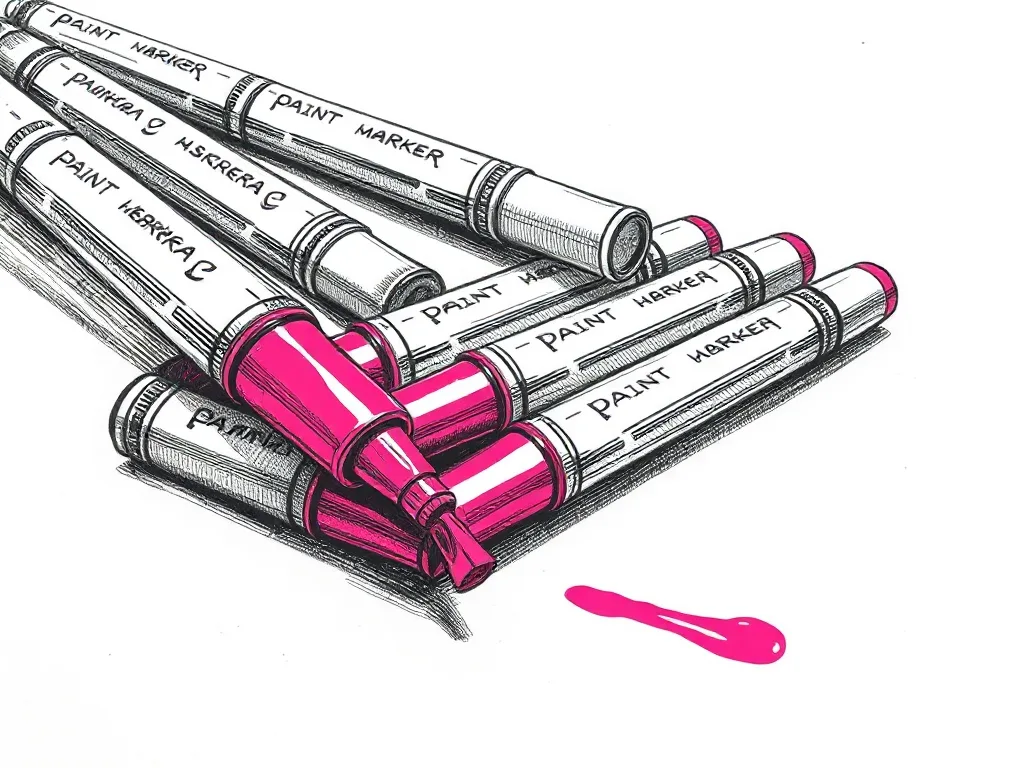
POSCA PC-3M Paint Marker Set
4.5 (2,900)Opaque acrylic paint markers for bold, fully covering color fills — a heavier pen that demands slow plotting and a sturdy holder, but pays off in vivid coverage.
Best for: Thick, opaque color fills