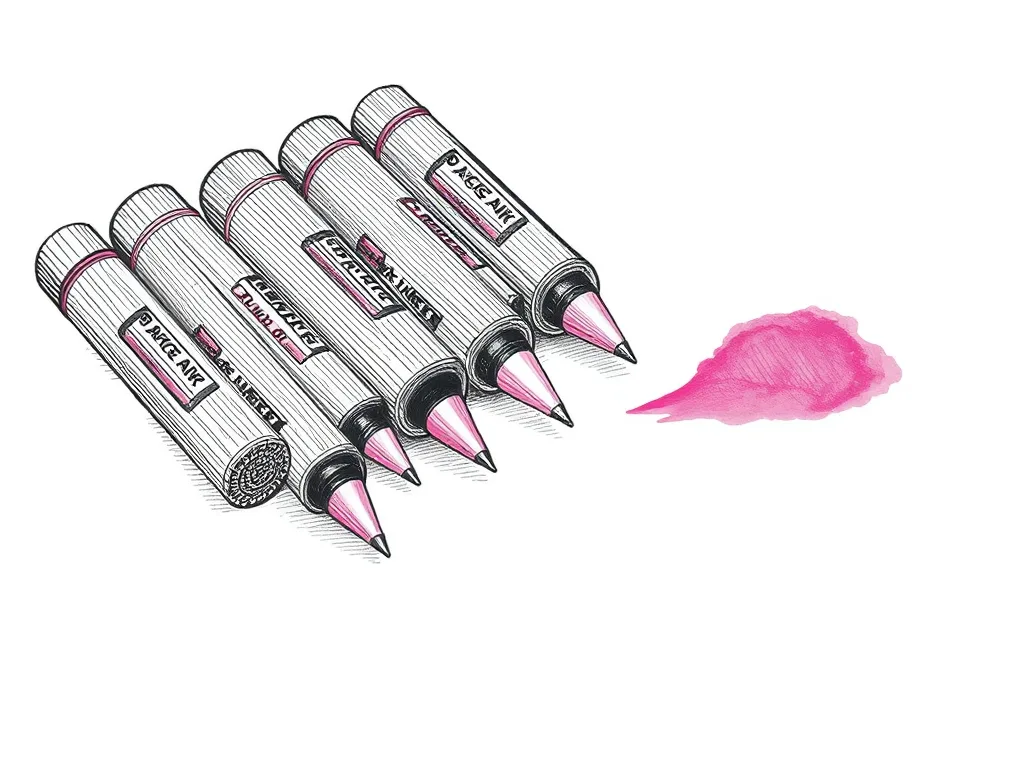
Molotow ONE4ALL Acrylic Marker Set
4.7 (1,200)Pump-action acrylic paint markers with opaque, lightfast pigment — for plotting bold color on wood, plastic, canvas and dark stock.
Best for: Bold, opaque color on wood, plastic and dark surfaces
Pens
Fineliners, technical pens, gel pens and refills that survive long plots without skipping or bleeding.
The pen is where your plot meets the paper, and it matters more than almost any other variable. Pens designed for slow human hand movement often skip under a plotter's fast, repetitive motion — so choosing pens that flow consistently is the single biggest upgrade to plot quality.
Pigment fineliners are the reliable default: consistent line width, archival ink and minimal skipping. Gel pens add rich color and opacity (the only practical way to plot bright lines on dark paper), while fountain pens offer characterful, variable lines for special pieces. Our reviews below cover the pens that survive long plots.
We earn a commission on qualifying purchases made through links on this page, at no extra cost to you. Learn more.
Pump-action acrylic paint markers with opaque, lightfast pigment — for plotting bold color on wood, plastic, canvas and dark stock.
Best for: Bold, opaque color on wood, plastic and dark surfaces
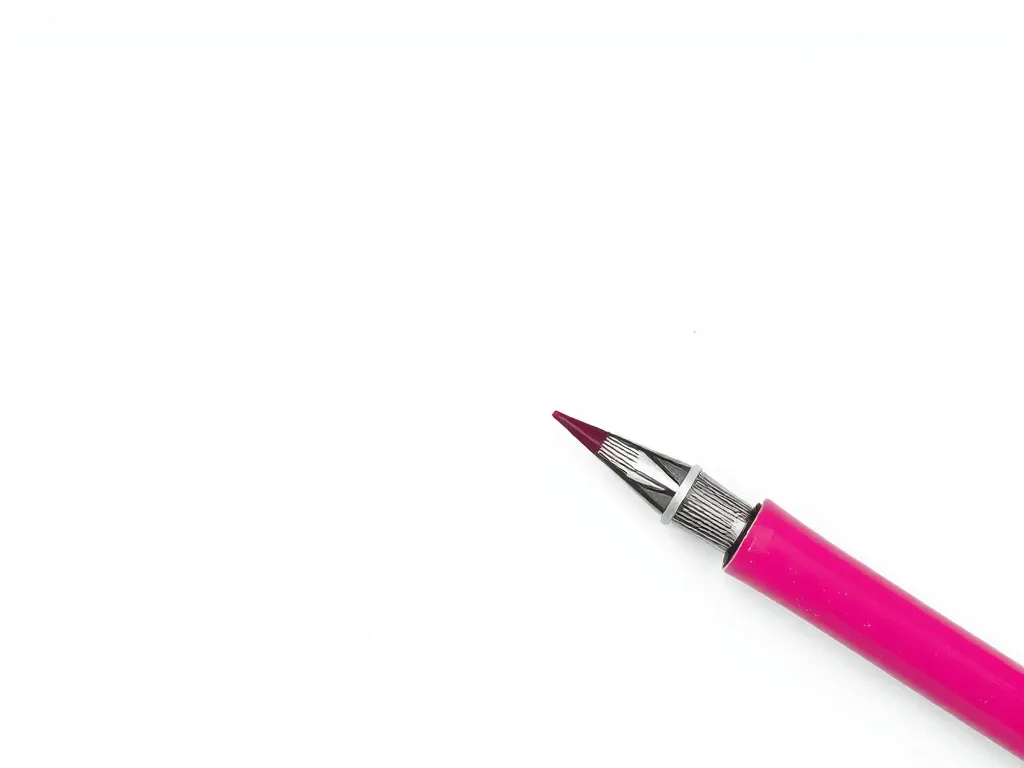
A firm-tip brush pen that brings expressive, variable line weight to pen plotting — the easiest way to add hand-lettered character to plots.
Best for: Expressive, variable-width line work
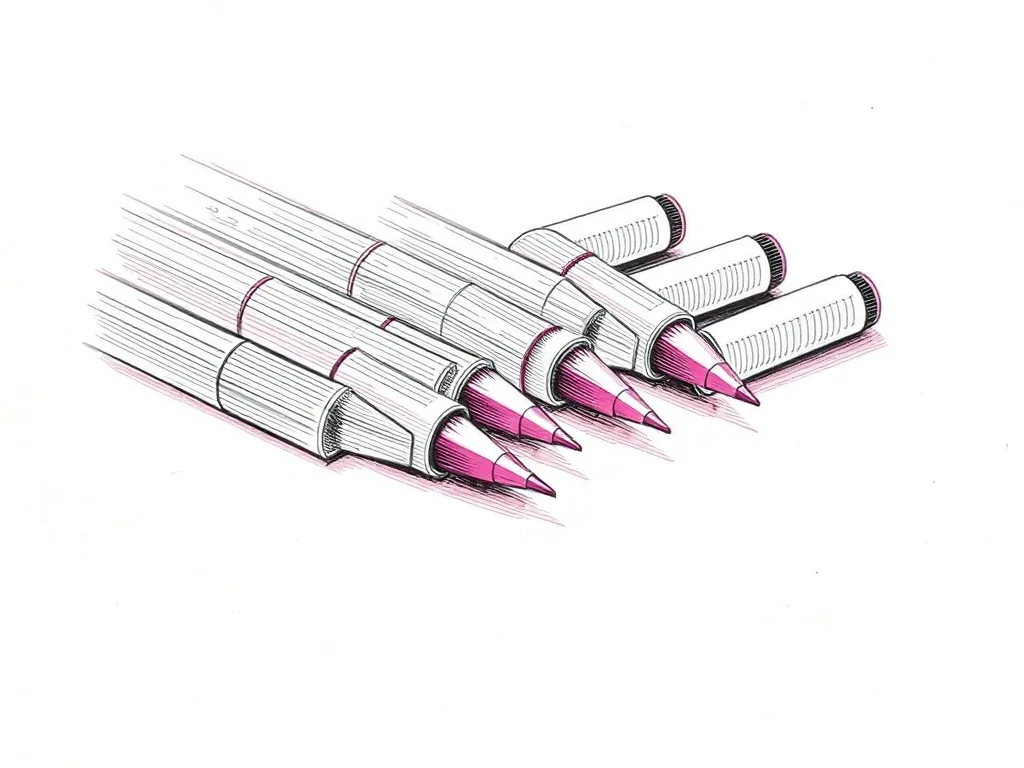
Fast-drying liquid gel pens with vivid color saturation — a compelling way to add bold color to pen plotter art without waiting minutes between passes.
Best for: Bold color plots and multi-pass color work
A 0.4 mm gel pen with needle-like precision — produces line weights that approach technical pen territory at a fraction of the cost.
Best for: Ultra-fine detail work and dense hatching
Opaque, luminous gel pens that glow on black paper — the fastest way to add light effects, stars and neon-style highlights to dark-ground plots.
Best for: Plotting on dark or black paper
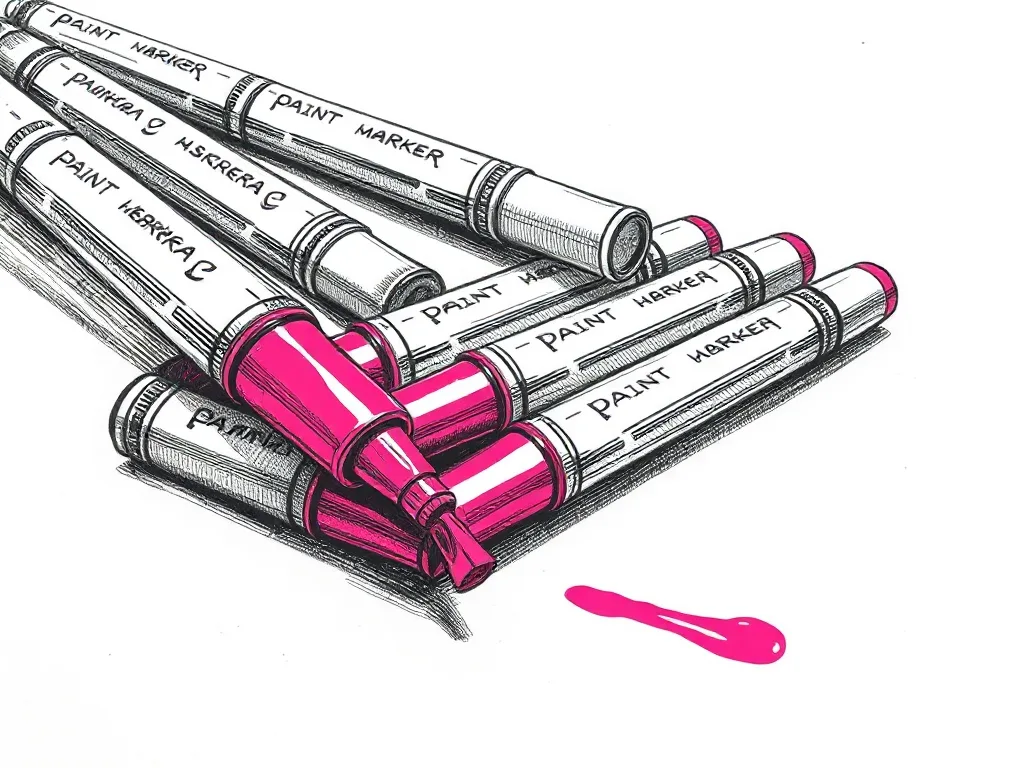
Opaque acrylic paint markers for bold, fully covering color fills — a heavier pen that demands slow plotting and a sturdy holder, but pays off in vivid coverage.
Best for: Thick, opaque color fills
A budget-friendly multi-size pigment fineliner set that holds its own against pricier pens — waterproof, consistent, and forgiving under a plotter.
Best for: Affordable multi-width line work
Opaque white gel ink that actually shows up on black and dark paper — the go-to for plotting light-on-dark work, if you can tame the flow quirks.
Best for: Bold, opaque lines on dark paper
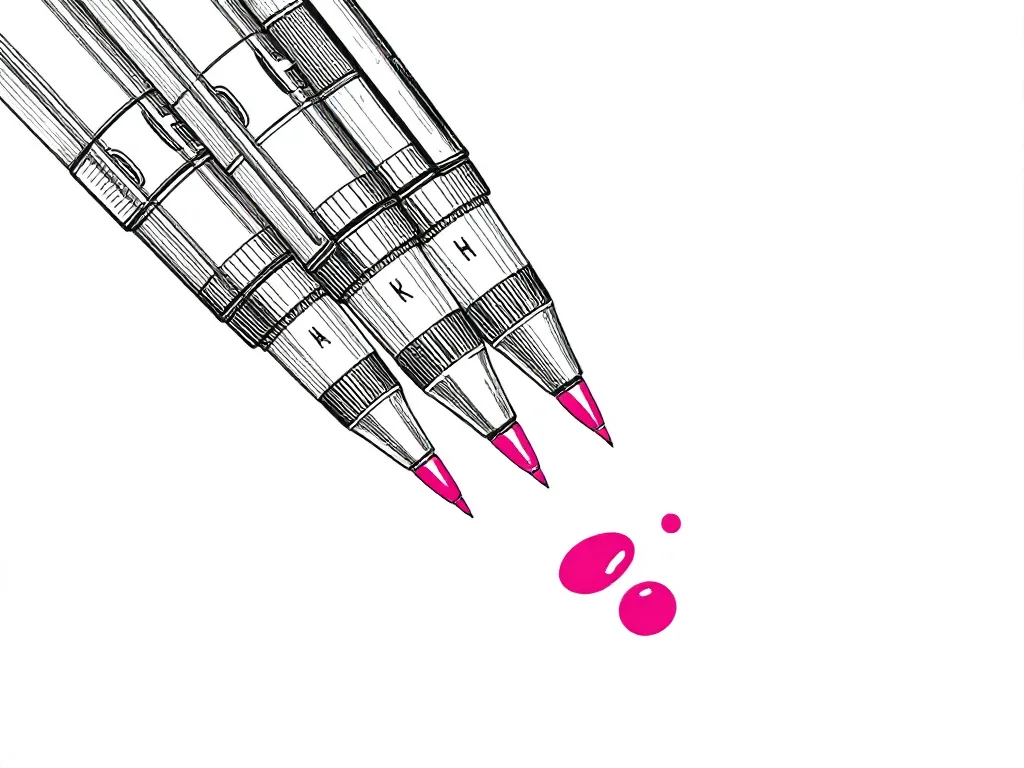
The technical-pen answer to Microns — metal-clad tips that survive heavy plotting, pigment ink that stays put, and a line width that barely drifts.
Best for: Long, tip-punishing plots on smooth paper
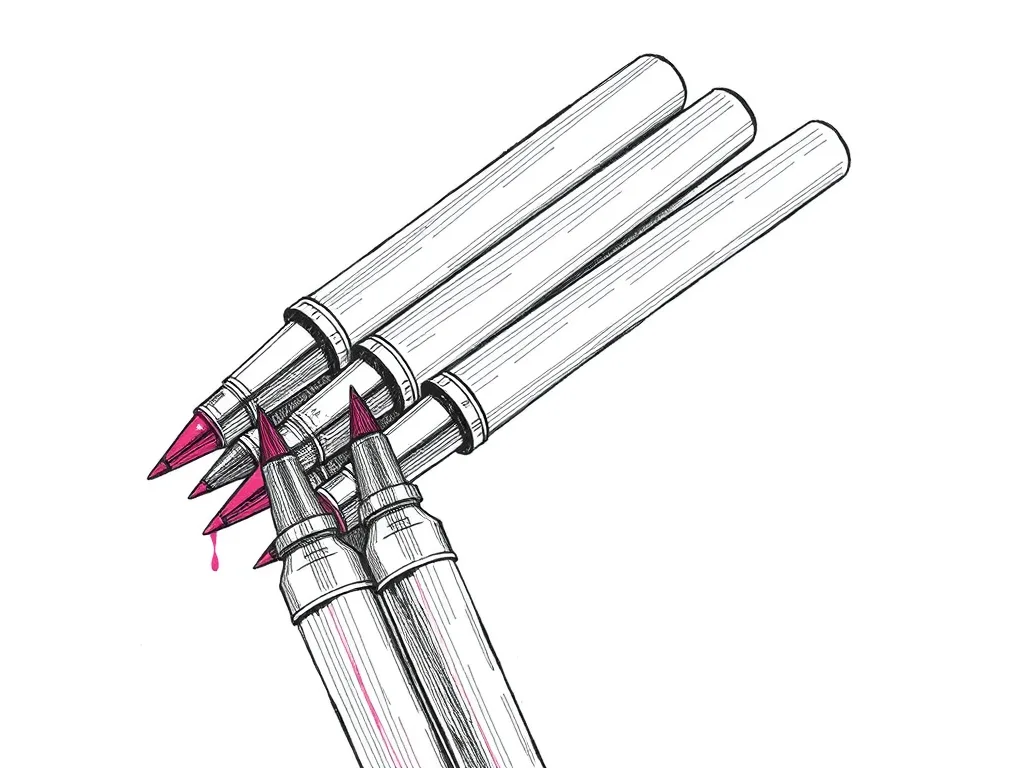
Archival pigment fineliners that are the de facto default for pen plotting — consistent line width, fade-proof ink and almost no skipping.
Best for: Clean, consistent line art on most papers
Sakura Pigma Micron and similar pigment fineliners are the default — consistent, archival and skip-resistant. Add gel pens for color and dark-paper work, and fountain pens for line character.
Usually pen height set too high, the pen needing priming, too-fast speed, or a pen not designed for machine use. Plotter-friendly fineliners and a slightly lower pen-down height fix most skipping.
Yes — they're great for color and opaque light-on-dark work. Slow the plot down 20–40% versus fineliners so the thicker gel ink flows without skipping.