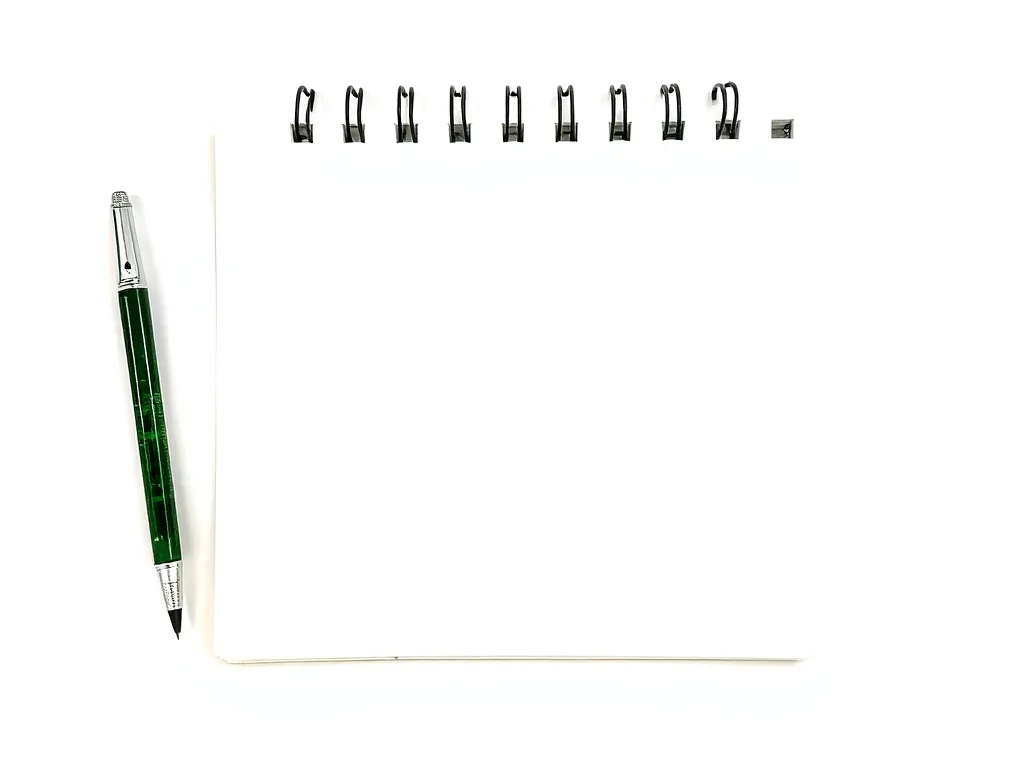

Strathmore 300 Series Bristol Smooth Pad
4.7 (3,100)Heavy, plate-smooth bristol that keeps fine lines crisp and resists cockling even on ink-dense plots — the surface we frame work on.
Best for: Crisp line art with fineliners and gel pens
Best Paper
Paper decides whether your lines stay razor-sharp or feather and cockle — the best bristol, notepads, test stock and dark paper for pen plotting, ranked and tested.
A great plotter and great pens still produce mediocre plots on the wrong paper. Paper is where the ink either stays put as a crisp line or wicks into the fibers and feathers, and it’s where a sheet either lies flat or buckles into waves as wet ink dries. We tested these for surface smoothness, how hard they’re sized against bleed, how well they resist cockling on dense plots, and — not least — price per sheet, because plotting is a numbers game and you’ll waste a lot of paper learning your machine.
Strathmore 300 Bristol in the smooth (plate) finish is our overall pick and the surface we save for work worth framing: heavy enough to stay flat, hard enough to keep a 0.3mm line razor-sharp. The Rhodia Dot Pad is the everyday favorite — its glassy coated stock takes fineliner ink beautifully and is ideal for proofing a design before you commit a sheet of bristol.
For the inevitable tuning phase, Canson XL Marker Paper is cheap enough to burn through while you dial in pen pressure and feed rate. And when you move onto dark backgrounds, a dedicated black cardstock pad gives white gel and POSCA color the dense, even ground they need. Match the paper to the job and most of your “the plotter is broken” frustrations quietly disappear.
| Comparison | Strathmore 300 Series Bristol Smooth Pad | Rhodia dotPad Notepad | Canson XL Marker Paper Pad | Strathmore Artagain Black Drawing Pad |
|---|---|---|---|---|
| Our rating | 4.7 | 4.5 | 4.4 | 4.6 |
| Price | $14 | $10 | $9 | $13 |
| Best for | Crisp line art with fineliners and gel pens | Proofing line art and squaring up plots | Throwaway test plots and proofing | White gel, metallic, and POSCA plots on black |
| Weight | 270 gsm (100 lb) | 80 gsm | ~70 gsm (light) | ~135 gsm recycled |
| Surface | Smooth (plate) | Very smooth, satin white | Smooth, semi-translucent | Fine tooth, matte black |
| Sizes | 9×12 in, 11×14 in pads | — | — | — |
| Best with | Pigment fineliners, gel, ballpoint | Fineliners, gel, rollerball | Fineliners, markers, gel | White gel, metallic gel, POSCA paint pens |
| Grid | — | 5 mm dot grid | — | — |
| Buy | Check Price | Check Price | Check Price | Check Price |
Heavy, plate-smooth bristol that keeps fine lines crisp and resists cockling even on ink-dense plots — the surface we frame work on.
Best for: Crisp line art with fineliners and gel pens
A glassy-smooth notepad that takes fineliner ink without bleed, perfect for quick everyday plots and proofing a design before committing to good stock.
Best for: Proofing line art and squaring up plots
Cheap, bleed-resistant marker paper you can burn through by the pad while you tune pen pressure and feed rate.
Best for: Throwaway test plots and proofing
Dense, matte black stock that makes white gel and POSCA color leap off the page without ghosting through to the next sheet.
Best for: White gel, metallic, and POSCA plots on black
For finished work, aim for 250gsm or heavier so the sheet stays flat and doesn't cockle under wet ink — Strathmore 300 Bristol is a reliable benchmark. Lighter 80–120gsm stock is fine for testing and quick plots, just expect a little more waviness on dense designs.
That's the paper wicking ink along its fibers. Switch to a smooth, hard-sized surface like plate-finish bristol or Rhodia's coated paper; rough, absorbent or recycled stock will always feather a fine pigment line.
Plain printer paper works for rough tests, but it cockles under ink and feathers fine lines. Even cheap marker paper like the Canson XL is a big step up for proofing, and it costs little enough to use freely.
Dense black cardstock. A dedicated black pad gives an even, matte ground that makes white Gelly Roll and POSCA colors pop, and the heavier sheets keep paint from ghosting through to the page beneath.