A4 vs A3 Pen Plotter: Which Size Should You Get?
Should your first plotter be A4 or A3? A practical comparison of drawing area, desk footprint, price and use cases to help you choose the right size.
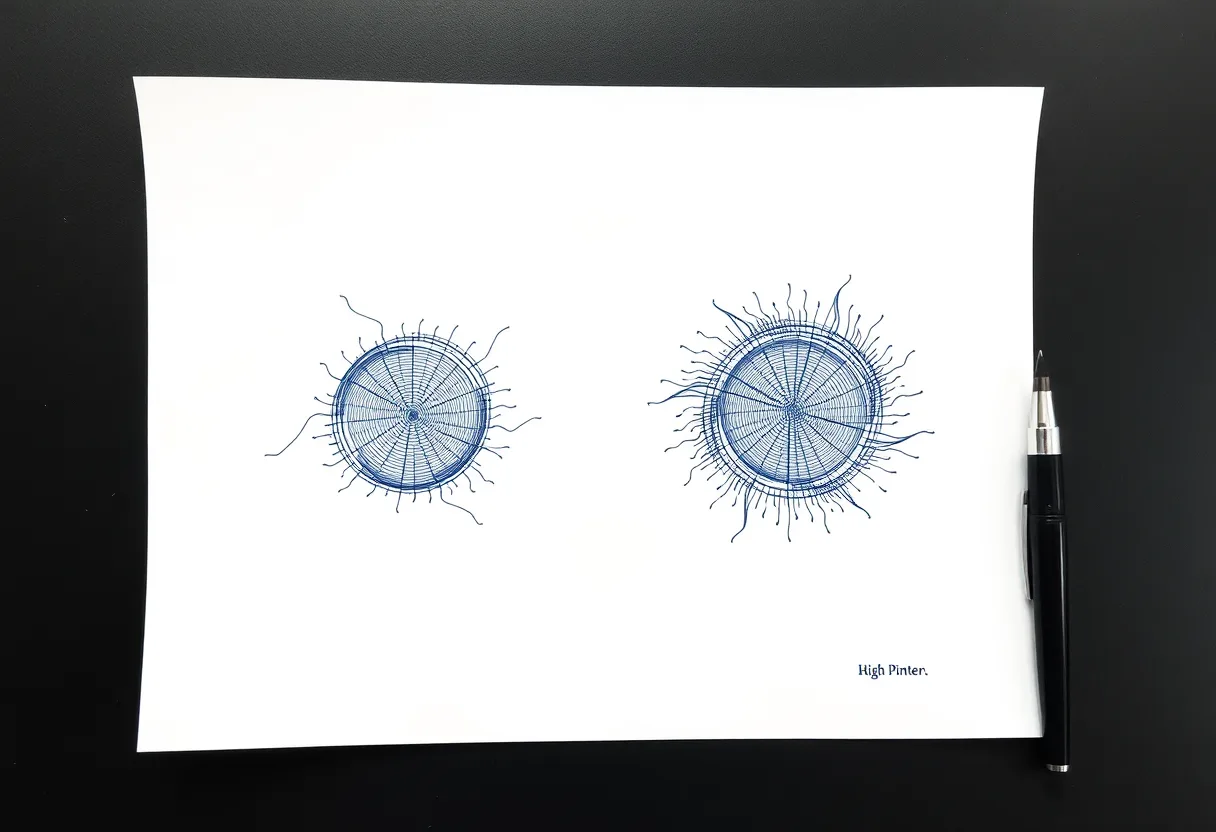
One of the first decisions when buying a plotter is paper size, and it usually comes down to A4 vs A3. Neither is “better” in the abstract — they suit different work, budgets, and desks. Here’s how to choose the right size for you.
The sizes, in context
- A4 — 210 × 297 mm. The size of standard printer paper.
- A3 — 297 × 420 mm. Twice the area of A4.
A3 isn’t a little bigger — it’s double the drawing area. That’s a meaningful difference in what you can make and in how the machine fits your space.
Drawing area: what you can make
A3 opens up:
- Poster- and frame-scale pieces
- Larger, more detailed generative art that breathes
- The ability to plot multiple small designs on one sheet
A4 is plenty for:
- Cards, prints, and zine-scale work
- Most line art and generative pieces
- Learning and experimenting
If you dream of big wall pieces, A3. If you mostly imagine smaller prints and art, A4 won’t hold you back.
Desk footprint
A plotter needs more space than its paper — there’s overhang for the mechanism and pen travel. An A3 machine like the iDraw 2.0 A3 or AxiDraw V3/A3 wants a dedicated patch of desk. An A4 machine tucks into tighter spaces and is easier to keep set up permanently. If desk space is scarce, that’s a real factor.
Price
A3 machines cost more than their A4 equivalents — bigger frame, longer belts, more material. If budget is the deciding factor, A4 gets you plotting for less.
Plot time
Bigger paper can mean longer plots, but only because you tend to make bigger, denser art on it. The size itself doesn’t slow the machine — your design’s total line length does. An sparse A3 plot can finish faster than a dense A4 one.
The “bigger can do smaller” rule
An A3 plotter can draw A4-sized work without any issue — just place your smaller design within its bed. The reverse isn’t possible: an A4 machine can never exceed its area. This is why A3 is the more future-proof choice if you can afford the size and space — it never limits you.
The recommendation
| If you… | Choose |
|---|---|
| Want maximum creative range and room to grow | A3 |
| Have desk space and budget to spare | A3 |
| Are tight on space or money | A4 |
| Mostly make small prints and cards | A4 |
| Aren’t sure and can stretch a little | A3 (future-proof) |
There’s no wrong answer — both make beautiful plots. Pick A3 if you can, for the headroom; pick A4 if space or budget says so, and know you’re giving up nothing in quality, only maximum size.
Frequently asked questions
Is an A3 pen plotter better than an A4?
Not strictly better — bigger. A3 gives you more creative room and the ability to make poster-scale work, but it costs more and takes more desk space. A4 is cheaper, more compact, and fine for most line art. Choose based on the size of work you want to make.
Can an A3 plotter draw A4-sized art?
Yes. A larger plotter can draw anything that fits within its bed, including smaller sizes, so an A3 machine handles A4 work without issue. The reverse isn't true — an A4 plotter can't exceed its smaller area.
Which size is best for a beginner?
If budget and space allow, A3 is the more future-proof choice because it won't limit you later. If you're tight on either, A4 is perfectly capable for learning and most plots — you can upgrade if you outgrow it.
Gear mentioned in this post
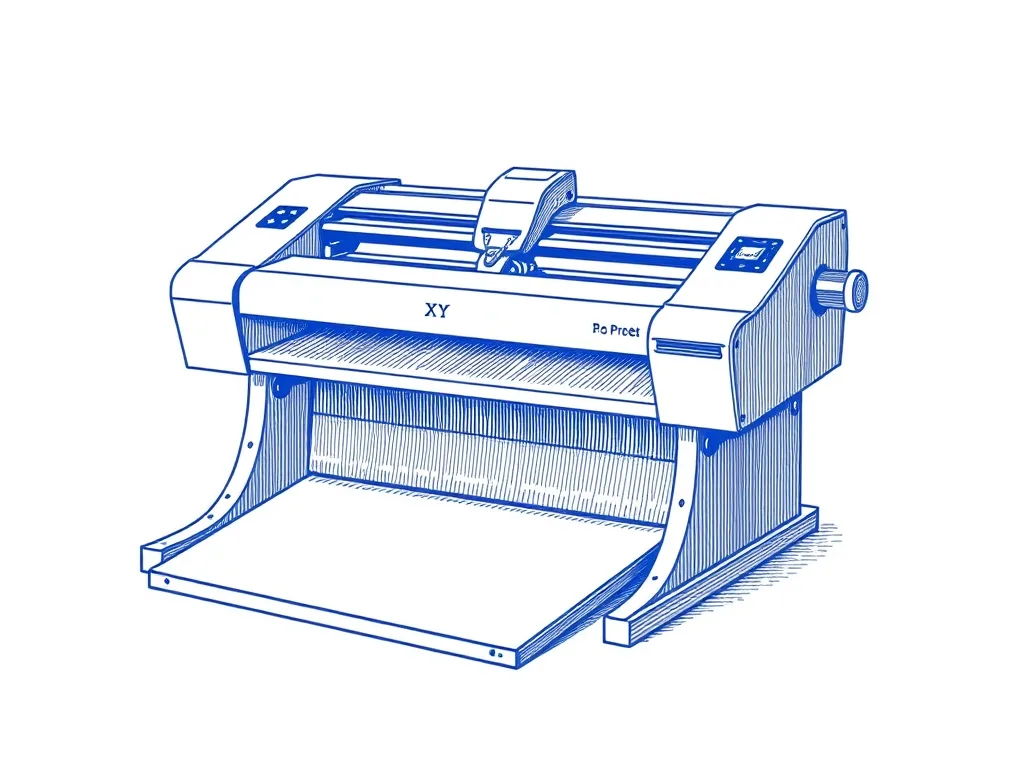
UUNA TEK iDraw 2.0 A3 Pen Plotter
4.3 (218)A large-format desktop XY plotter that draws on paper up to A3 — the most accessible on-ramp to AxiDraw-style plotting without the AxiDraw price.
Best for: Makers who want A3 plots out of the box
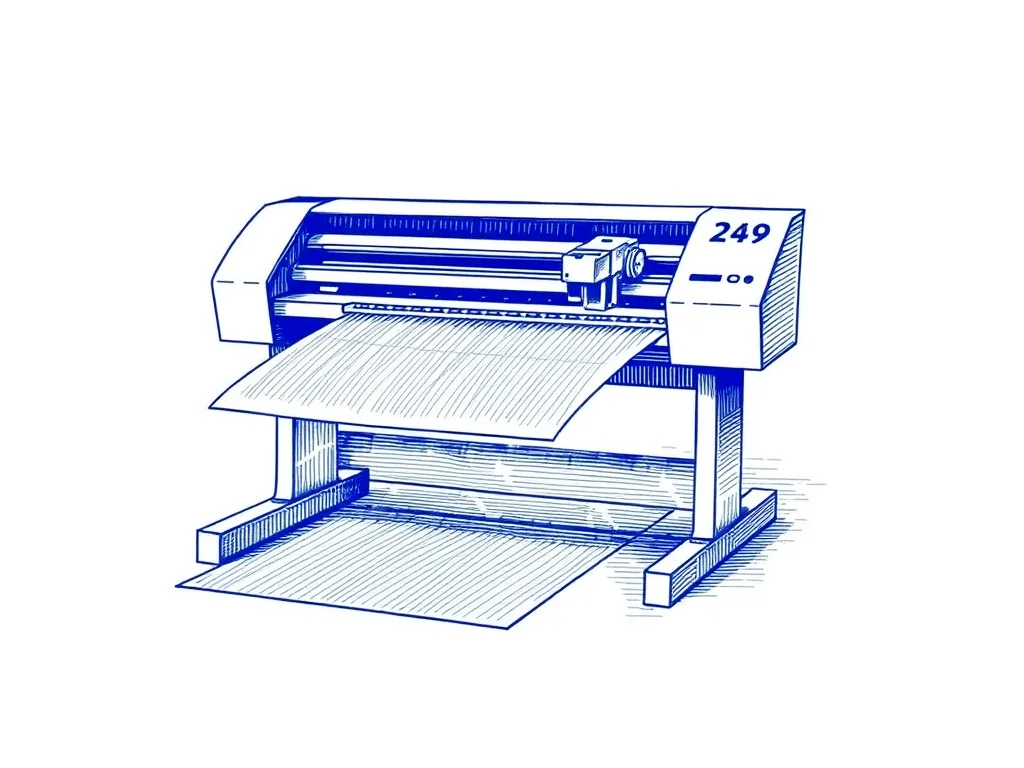
Evil Mad Scientist AxiDraw V3/A3
4.9 (312)The pen plotter that serious plotter artists upgrade to — precise, quiet, and compatible with nearly every pen and surface you'd want to draw on.
Best for: Artists ready to invest in the best