What Paper Weight Is Best for Pen Plotting?
Confused by GSM ratings? Here's how paper weight affects your plots, the ideal weight for fineliners, gel pens and heavy ink coverage, and which papers to buy.
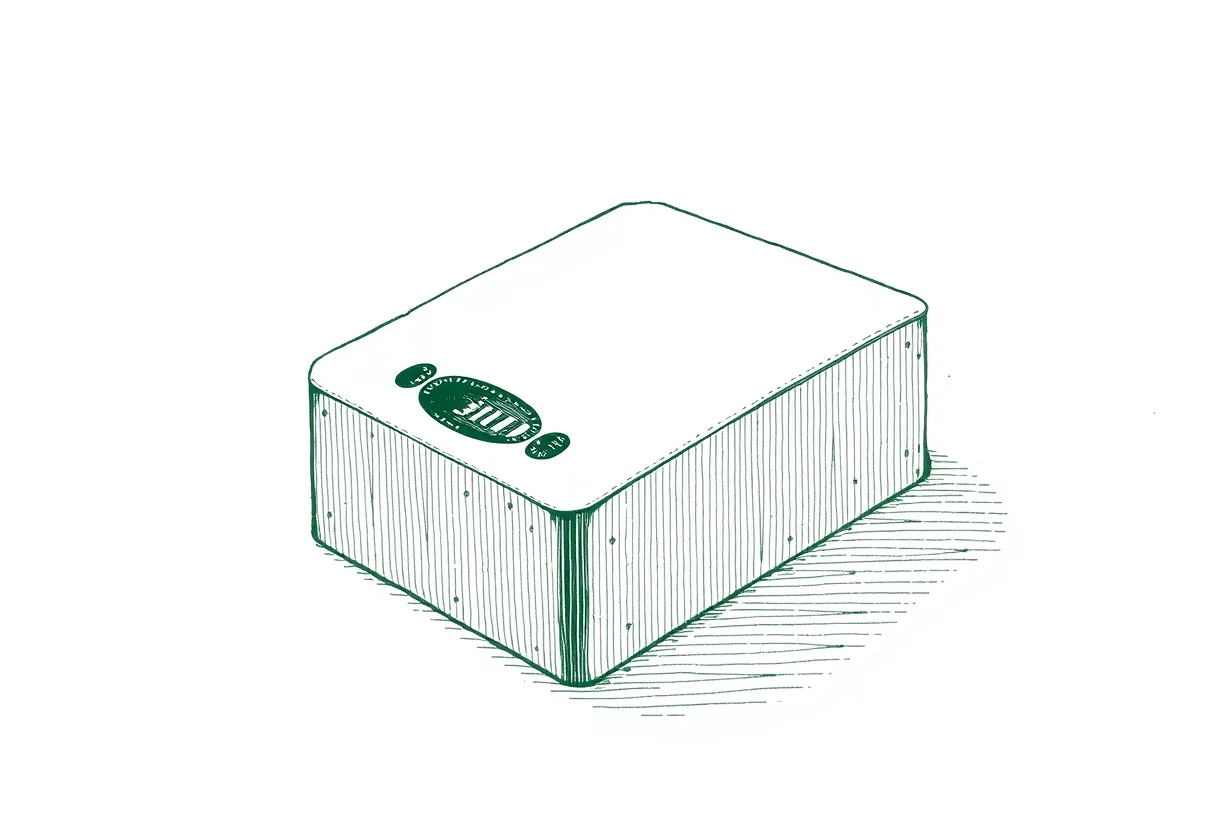
Paper weight is one of the most misunderstood variables in plotting. People obsess over pens and machines, then plot on whatever’s lying around and wonder why the result cockles, bleeds, or shifts. Getting the paper weight for pen plotting right is a small change with an outsized effect on quality.
What “GSM” actually means
Paper weight is measured in grams per square meter (g/m² or GSM). Higher numbers mean heavier, thicker paper. For reference:
- 80 g/m² — standard printer paper
- 120–160 g/m² — light cartridge / sketch paper
- 200–250 g/m² — heavyweight drawing paper
- 270–300 g/m² — cardstock and Bristol
Why weight matters for plotting
Two reasons. First, cockling — when paper absorbs ink it expands slightly, and thin paper warps into ridges. Heavier paper resists this. Second, stability — a plotter drags a pen across the sheet repeatedly, and lighter paper is more likely to shift, lift, or tear under tape.
The sweet spot: 160–250 g/m²
For the vast majority of plotting, 160–250 g/m² is ideal. It:
- Stays flat through long, ink-heavy plots
- Doesn’t cockle under dense hatching
- Holds tape without tearing
- Still feels like paper, not board
Fabriano Accademia at 200 g/m² is a great all-rounder in this range.
When to go heavier (270–300 g/m²)
Reach for cardstock and Bristol weights when:
- You’re using gel pens, which deposit more liquid per stroke
- Your design has dense fills or heavy crosshatching
- You want a premium, framed final piece
- You’re plotting on dark stock like black cardstock
Strathmore 300 Bristol is the reference here — smooth, heavy, and built for ink.
When lighter is fine
For test plots and iteration, lighter paper (or printer paper) saves money. You’re checking composition and settings, not making a keeper. Dot pads like the Rhodia are also lighter but excellent for drafting-style work because of their surface.
Weight is half the story — surface is the other half
A heavy but rough paper can still skip fine lines, while a moderate-weight smooth paper plots beautifully. Always consider weight and surface together:
- Fine fineliners → smooth surface, 160–250 g/m²
- Gel pens → matte, absorbent surface, 200–300 g/m²
- Fountain pens → cotton-content paper that resists feathering
Get the weight into the 160–250 range, match the surface to your pen, and most paper-related plotting problems simply vanish.
Frequently asked questions
What paper weight is best for pen plotting?
For most work, 160–250 g/m². This range resists cockling under heavy ink coverage, stays flat on the bed, and feels substantial without being hard to handle. Lighter paper works for quick tests; heavier stock suits gel pens and dense plots.
Does heavier paper always mean better plots?
Not always — surface matters as much as weight. A smooth 200 g/m² sheet outperforms a rough 300 g/m² one for fine line art. Match both weight and surface to your pen.
Will printer paper work for plotting?
For testing, yes. But at ~80 g/m² it cockles with any real ink coverage and tears easily under tape. Use it to dial in settings, then plot finals on heavier stock.
Gear mentioned in this post

Strathmore 300 Series Bristol Smooth Pad
4.7 (3,100)A heavyweight, ultra-smooth bristol that takes fineliner ink cleanly with no feathering — the safe default surface for crisp plots.
Best for: Crisp line art with fineliners and gel pens

Fabriano Accademia Drawing Pad A3
4.7 (890)A fine-tooth cotton-blend cartridge paper with just enough surface texture to grip ink beautifully — the European alternative to Bristol for plotters who want character over clinical smoothness.
Best for: Plotters wanting texture and character in their output
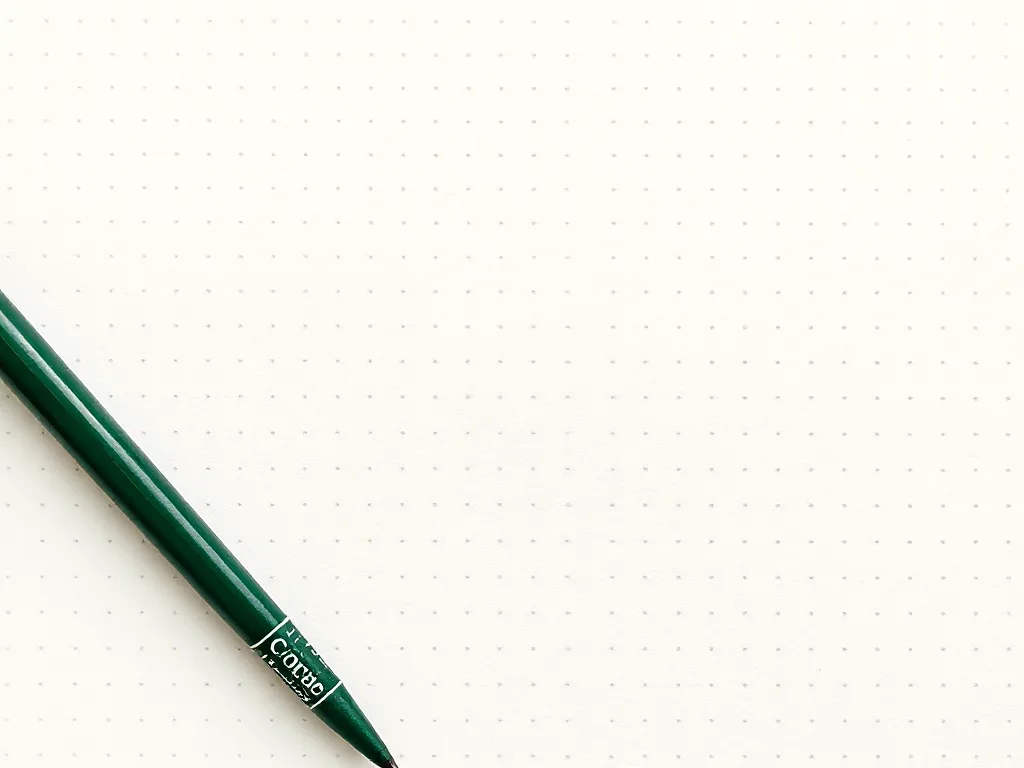
Rhodia dotPad Notepad
4.5 (1,850)An ultra-smooth 80gsm dot-grid pad that takes fineliner ink crisply and gives you a built-in alignment reference — great for tests, light on dense plots.
Best for: Proofing line art and squaring up plots