The Cheapest Way to Start Pen Plotting in 2026
You can start pen plotting for far less than you think. Here's the cheapest realistic setup — machine, pens, paper and free software — that still makes great art.
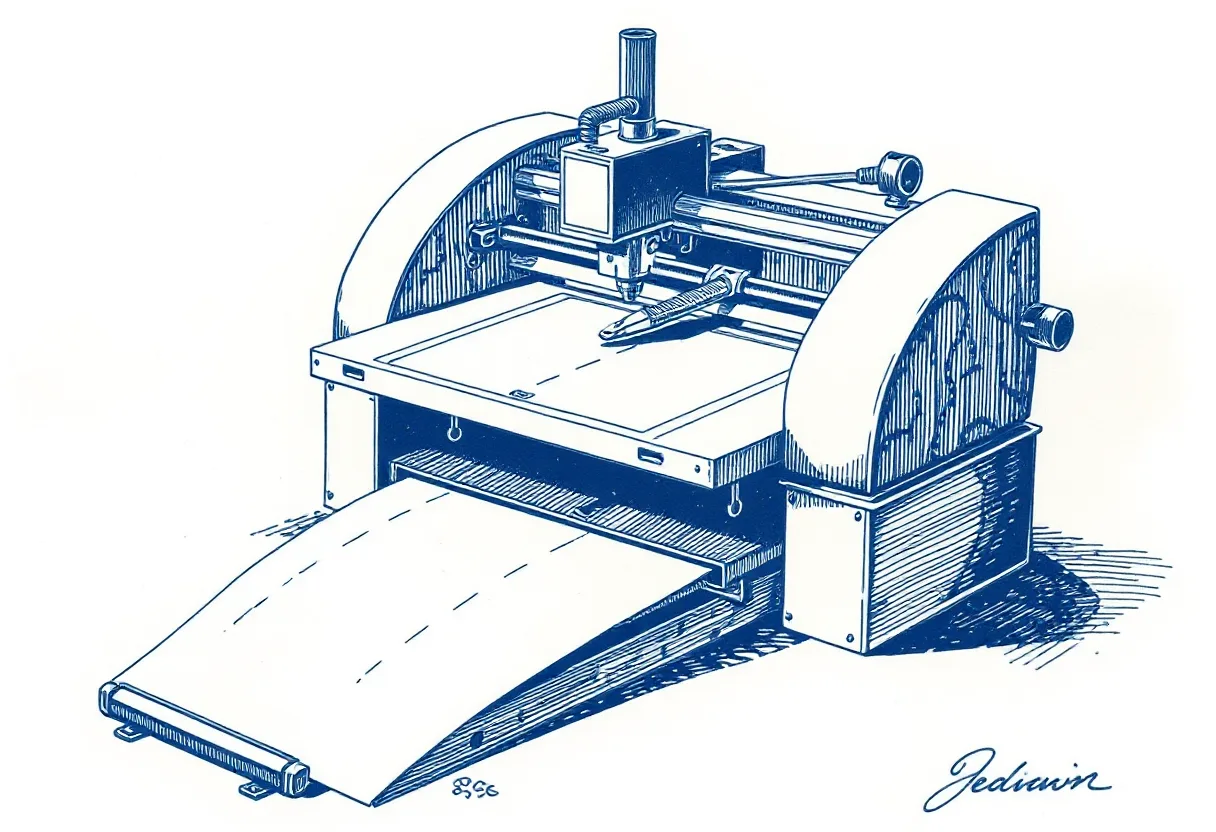
Pen plotting has a reputation for being expensive, and it can be — but it doesn’t have to be. You can assemble a complete, capable setup for a fraction of the cost of a premium machine, and make genuinely good art with it. Here’s the cheap pen plotter setup that actually works.
The machine: budget kit or compact plotter
Your biggest cost is the plotter, and this is where the savings live.
- GRBL drawing-robot kit — a build-it-yourself kit is the cheapest entry point. You assemble it, which is part of the fun and teaches you how the machine works.
- Compact XY plotter — an EleksDraw-class machine costs more than a kit but arrives ready to draw clean line work in a small footprint.
Both cost a small fraction of an AxiDraw and produce real, plottable art. The machine is the least important factor in how good your plots look.
The pens: don’t overspend, don’t cheap out
You need exactly one good pack to start: a set of Pigma Micron fineliners. They’re inexpensive, plotter-friendly, and a single set lasts a long time. This is the one place not to buy the absolute cheapest option — bad pens skip and ruin plots, erasing any savings in frustration.
The paper: start light
For learning, mid-weight drawing paper or even printer paper is fine. Buy one affordable pad of ~160 g/m² paper for finals and use printer paper for tests. You do not need premium Bristol on day one.
Tape: the cheapest essential
A single roll of low-tack painter’s tape keeps your paper from shifting mid-plot. It costs almost nothing and prevents the most common beginner failure. Don’t skip it.
The software: completely free
This is the best part — the entire software side costs nothing:
- vpype — optimize your SVGs (free)
- Inkscape — design and drive the plotter (free)
- p5.js / Processing — make generative art (free)
The same tools used by artists selling prints are free and open source.
The total
A budget machine, one pack of pens, a pad of paper, a roll of tape, and free software. That’s a complete plotting studio for far less than most people assume — and nothing on this list limits how good your art can be.
Where to spend later
Once you’re hooked, upgrade in this order: better paper first (biggest visible improvement per dollar), then more pens and colors, and eventually a more precise machine if you outgrow your starter. But none of that is needed to begin — start cheap, start now.
Frequently asked questions
What's the cheapest way to start pen plotting?
A budget GRBL drawing-robot kit or a compact XY plotter, a single pack of fineliners, a pad of mid-weight paper, low-tack tape, and free software (Inkscape + vpype). That covers everything you need to make real plots for a modest one-time cost.
Do I need an expensive plotter to make good art?
No. The machine matters less than your design and setup. Budget plotters produce genuinely good line art; the quality ceiling is mostly about your pens, paper, and files — not the price of the machine.
What's the one thing not to cheap out on?
Pens and tape. Plotter-friendly fineliners and low-tack painter's tape cost very little and prevent the most common beginner frustrations — skipping and paper drift.
Gear mentioned in this post
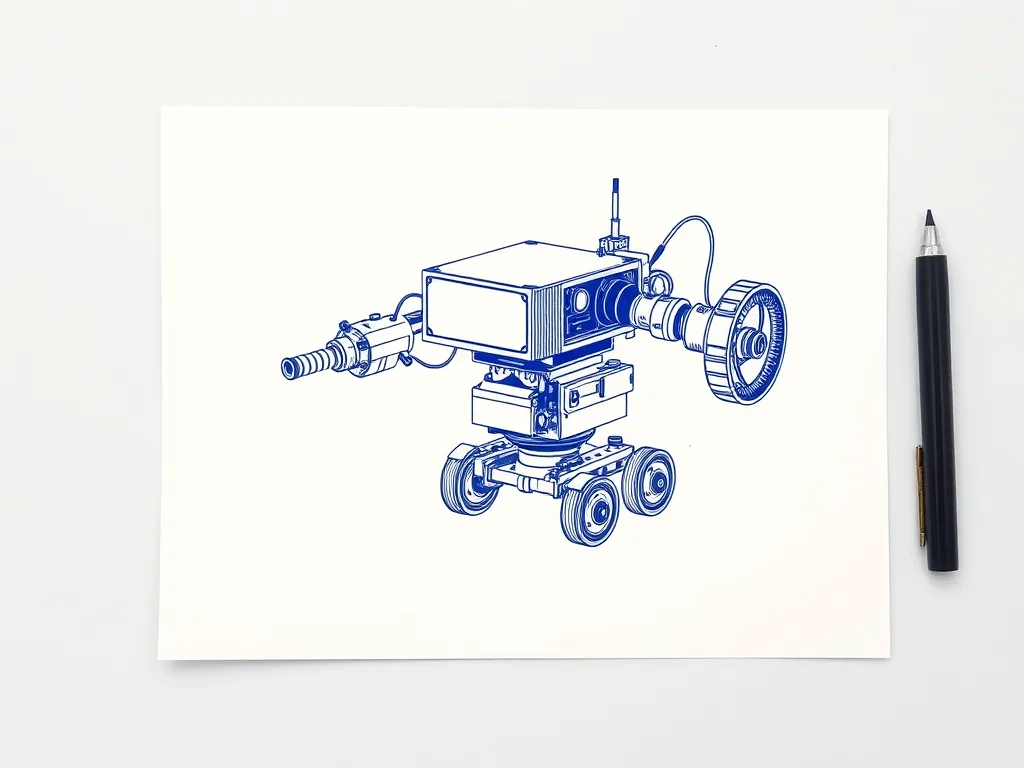
Two Trees GRBL Drawing & Writing Robot Kit
4.2 (142)A budget DIY drawing and writing robot kit on GRBL — heavy on assembly and tuning, light on price, and a genuinely good way to learn how plotters work.
Best for: Tinkerers who want to learn by building and tuning
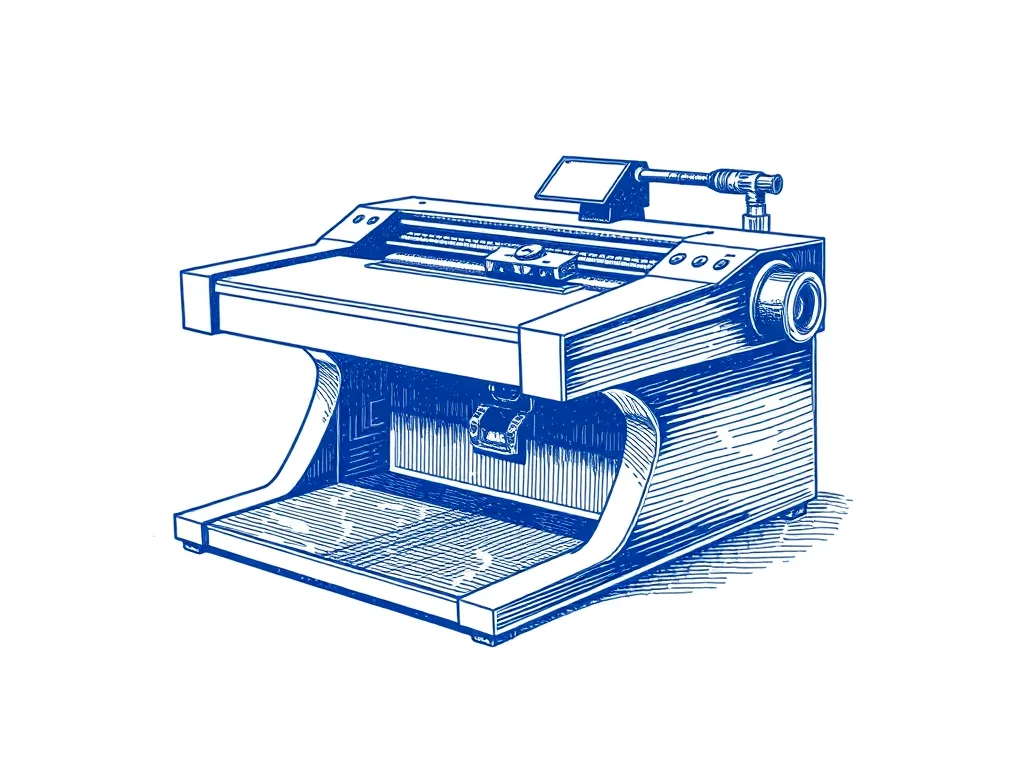
EleksMaker EleksDraw XY Pen Plotter
4.2 (174)A wallet-friendly A4-class XY pen plotter kit running GRBL — a genuine entry point into plotting if you're happy to build it and trade reach for price.
Best for: Budget-minded beginners willing to build a kit
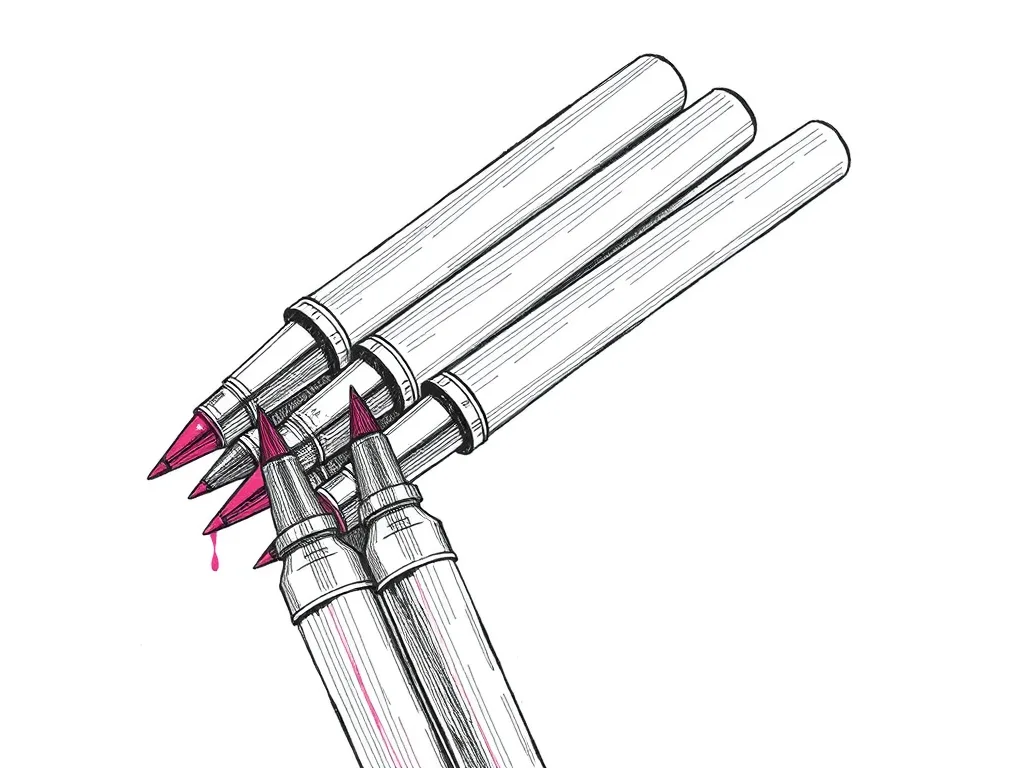
Sakura Pigma Micron Fineliner Set
4.8 (5,400)Archival pigment fineliners that are the de facto default for pen plotting — consistent line width, fade-proof ink and almost no skipping.
Best for: Clean, consistent line art on most papers