What Is a Pen Plotter? A Beginner's Guide
What pen plotters are, how they turn code into ink on paper, what you need to start, and why a 1960s technology is having a generative-art renaissance.
A pen plotter is a machine that holds an ordinary pen and moves it across paper to draw — following vector paths instead of printing dots. Where an inkjet rasterizes an image into millions of sprayed droplets, a plotter draws strokes: continuous lines, in real ink, with the subtle texture and slight imperfection of a pen pressed to a page.
The technology dates to the 1960s, when plotters were how engineers got CAD drawings onto paper. They were made obsolete by laser and inkjet printing — and then quietly reborn as the favorite tool of generative artists, who discovered that algorithmic line art looks extraordinary when an actual pen draws it.
How a pen plotter works
Every plotter does three things:
- Moves in X and Y. A motorized gantry or arm positions the pen anywhere on the page, usually via stepper motors and belts.
- Lifts and drops the pen. A small servo raises the pen to travel without drawing and lowers it to make a mark. This pen-up/pen-down action is what separates lines.
- Follows a path. It reads a vector file — typically converted to G-code or streamed through plotting software — and traces each path in order.
Feed it the same file twice and you get two near-identical drawings. That repeatability, combined with real-ink character, is the whole appeal.
What you need to start
- A machine. Desktop XY plotters (AxiDraw-class, or value options like the iDraw) cover most beginners.
- Pens. Pigment fineliners are the default; gel and technical pens expand your range.
- Paper. Smooth, heavyweight stock keeps lines crisp and flat.
- Software. Inkscape,
vpypeand a creative-coding tool like p5.js to generate and prepare artwork.
Why plot at all in 2026?
Because a screen can’t give you what a plotter does: a physical object, drawn in ink, that carries the faint evidence of a machine patiently making marks. In an age of instant AI images, a plotter slows things down and makes something real. That contrast is exactly why the medium is thriving.
Ready to go deeper? Start with our pen plotter starter kit and the gear below.
Frequently asked questions
Is a pen plotter the same as a printer?
No. A printer deposits dots of ink across a page in raster lines. A pen plotter holds a real pen and moves it along continuous vector paths — so it draws the way a person would, one stroke at a time, with genuine pen-on-paper texture.
What can you make with a pen plotter?
Generative and algorithmic art, line-art illustrations, maps, data visualizations, hand-addressed envelopes, technical drawings and repeatable signatures. Anything expressible as vector paths.
Do I need to know how to code?
Not to start — you can plot existing SVG files. But basic creative coding (p5.js or Processing) unlocks original generative work, which is where plotting gets addictive.
Gear mentioned in this guide
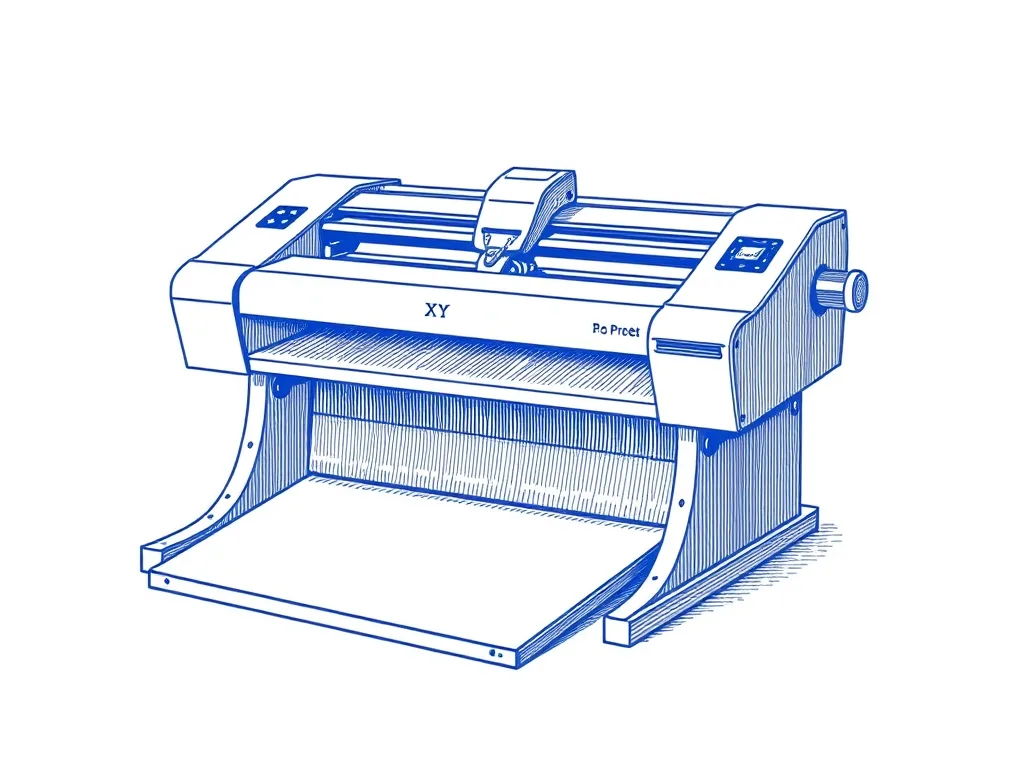
UUNA TEK iDraw 2.0 A3 Pen Plotter
4.3 (218)A large-format desktop XY plotter that draws on paper up to A3 — the most accessible on-ramp to AxiDraw-style plotting without the AxiDraw price.
Best for: Makers who want A3 plots out of the box
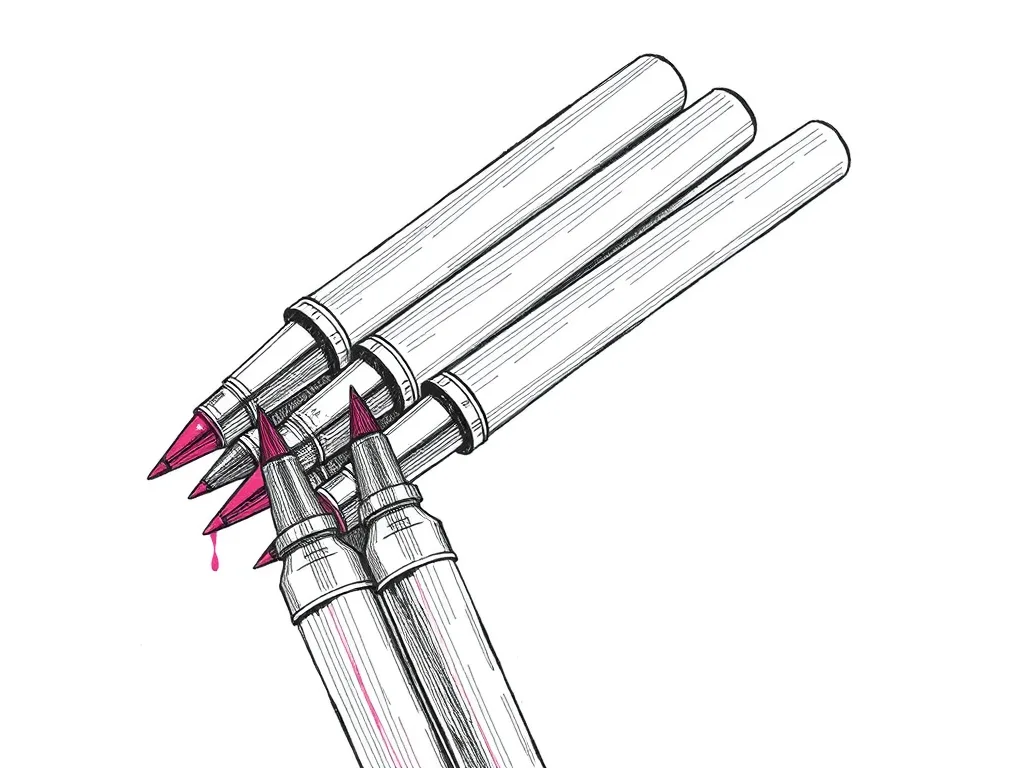
Sakura Pigma Micron Fineliner Set
4.8 (5,400)Archival pigment fineliners that are the de facto default for pen plotting — consistent line width, fade-proof ink and almost no skipping.
Best for: Clean, consistent line art on most papers