The Best Pen Plotter for Beginners in 2026
New to plotting? Here's how to choose the best pen plotter for beginners — what specs matter, what to ignore, and the machines worth your first money.

The first plotter is the hardest purchase because you don’t yet know what you’ll need. Good news: a beginner doesn’t need much, and the best pen plotter for beginners is the one that gets you making real plots quickly without overspending. Here’s how to choose.
What actually matters
Ignore the marketing. Four things determine your experience:
- Pen compatibility — can it hold the pens you want? A flexible clamp that accepts standard fineliners and gel pens is plenty to start.
- Drawing area — match it to your paper. A4 is fine for learning; A3 gives room to grow.
- Standard software — Inkscape (AxiDraw) or GRBL senders. Avoid machines locked to obscure proprietary apps.
- Accuracy — “good enough” is genuinely good enough for a beginner. You won’t push registration limits for a while.
That’s it. Top speed, fancy displays, and exotic features don’t matter on day one.
Three good starting points
Ready-to-run compact plotter
An EleksDraw-class XY plotter arrives ready to draw clean line work in a small footprint. Great if you want to plot immediately without assembly and don’t need large paper.
Affordable A3 machine
The iDraw 2.0 A3 is the value pick: genuine A3 reach, broad pen compatibility, and standard software, at a fraction of premium prices. The most common “first serious plotter.”
Build-it-yourself kit
A GRBL drawing-robot kit is the cheapest entry and teaches you exactly how the machine works as you assemble it. Choose this if you enjoy building and want maximum savings.
What to skip (for now)
The AxiDraw is the best desktop plotter, but it’s premium-priced and its strengths — pinpoint accuracy, scripted plotting, near-silent operation — are upgrades you’ll appreciate later, not necessities on day one. Many artists buy a budget machine first, confirm they love plotting, then upgrade. There’s no shame in starting cheap.
Don’t forget the rest of the setup
A plotter alone doesn’t make a plot. Budget a little for:
- A set of plotter-friendly fineliners
- A pad of mid-weight paper
- Low-tack painter’s tape
- Free software: Inkscape + vpype
The honest recommendation
If you want one answer: get the iDraw if you can stretch to it (A3 reach, ready to run), or a GRBL kit if budget is tight and you like building. Either gets you plotting real art quickly, and neither limits how good your work can become. Start there, and let your actual experience — not a spec sheet — guide your next upgrade.
Frequently asked questions
What's the best pen plotter for a complete beginner?
A ready-to-run compact XY plotter or an affordable A3 machine like the iDraw is the sweet spot — easy setup, broad pen compatibility, and standard software. A GRBL kit is cheaper if you enjoy building. Save the premium AxiDraw for when you know you're committed.
Should a beginner build a kit or buy a ready-made plotter?
If you enjoy assembly and want the lowest cost, a kit is rewarding and teaches you the machine. If you want to plot on day one with minimal fuss, buy a ready-to-run plotter. Both make good art.
What specs actually matter for a first plotter?
Pen compatibility, drawing area that fits your paper, standard software support (Inkscape/GRBL), and decent accuracy. Ignore marketing extras — the fundamentals determine your experience far more.
Gear mentioned in this post
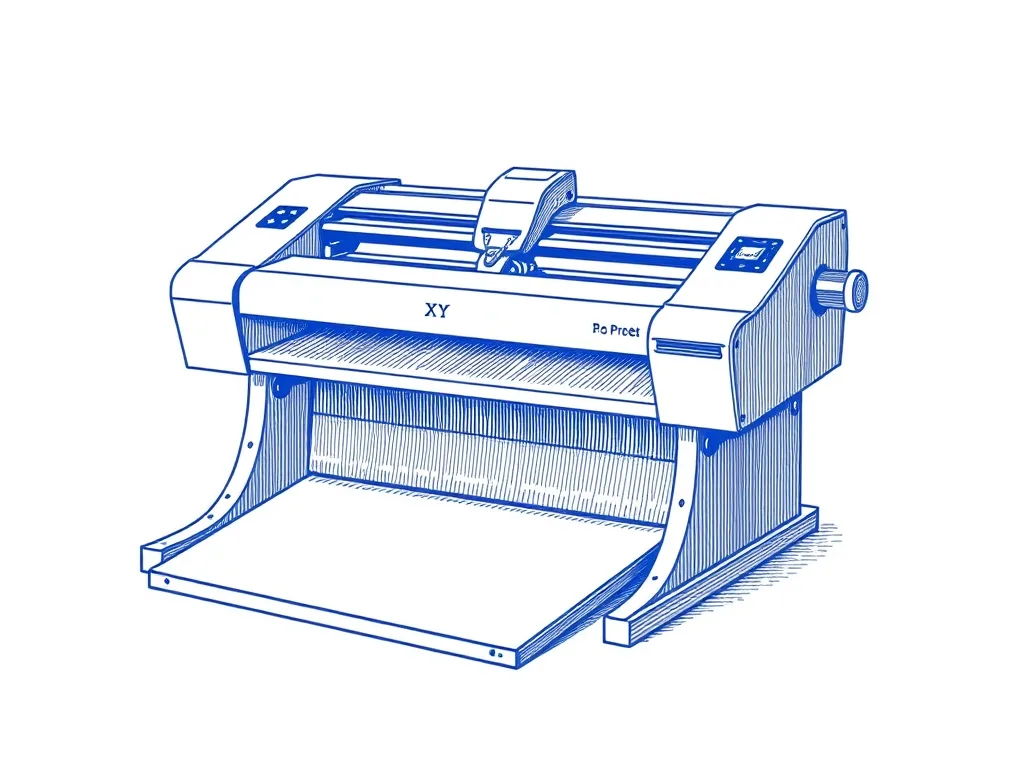
UUNA TEK iDraw 2.0 A3 Pen Plotter
4.3 (218)A large-format desktop XY plotter that draws on paper up to A3 — the most accessible on-ramp to AxiDraw-style plotting without the AxiDraw price.
Best for: Makers who want A3 plots out of the box
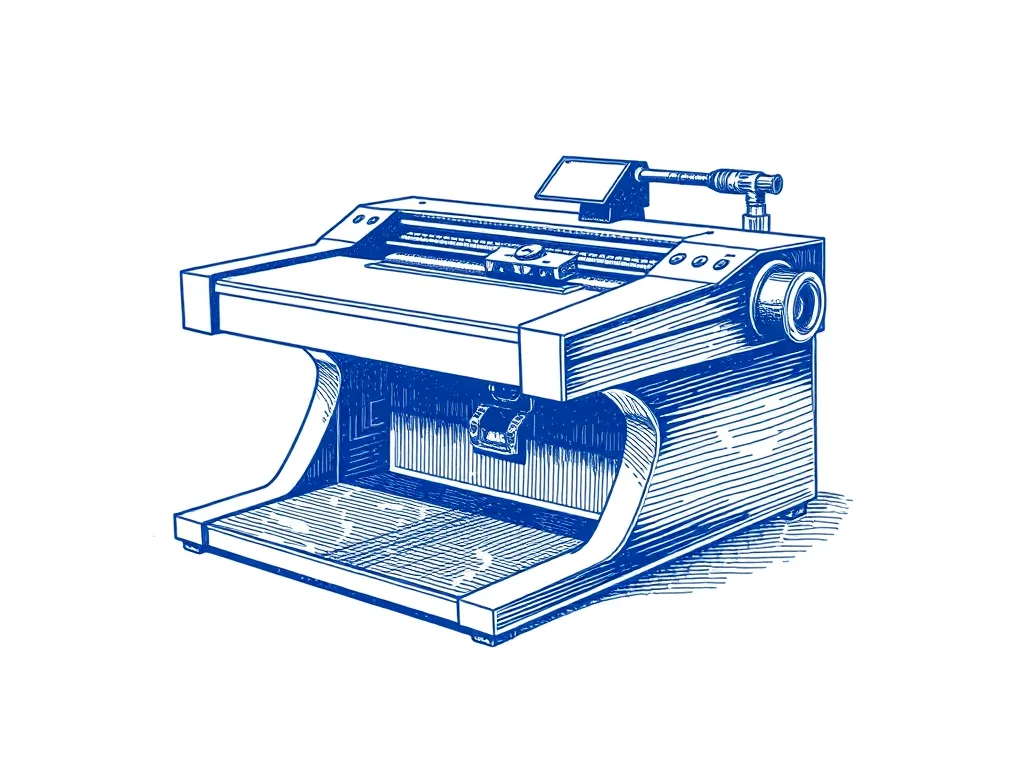
EleksMaker EleksDraw XY Pen Plotter
4.2 (174)A wallet-friendly A4-class XY pen plotter kit running GRBL — a genuine entry point into plotting if you're happy to build it and trade reach for price.
Best for: Budget-minded beginners willing to build a kit
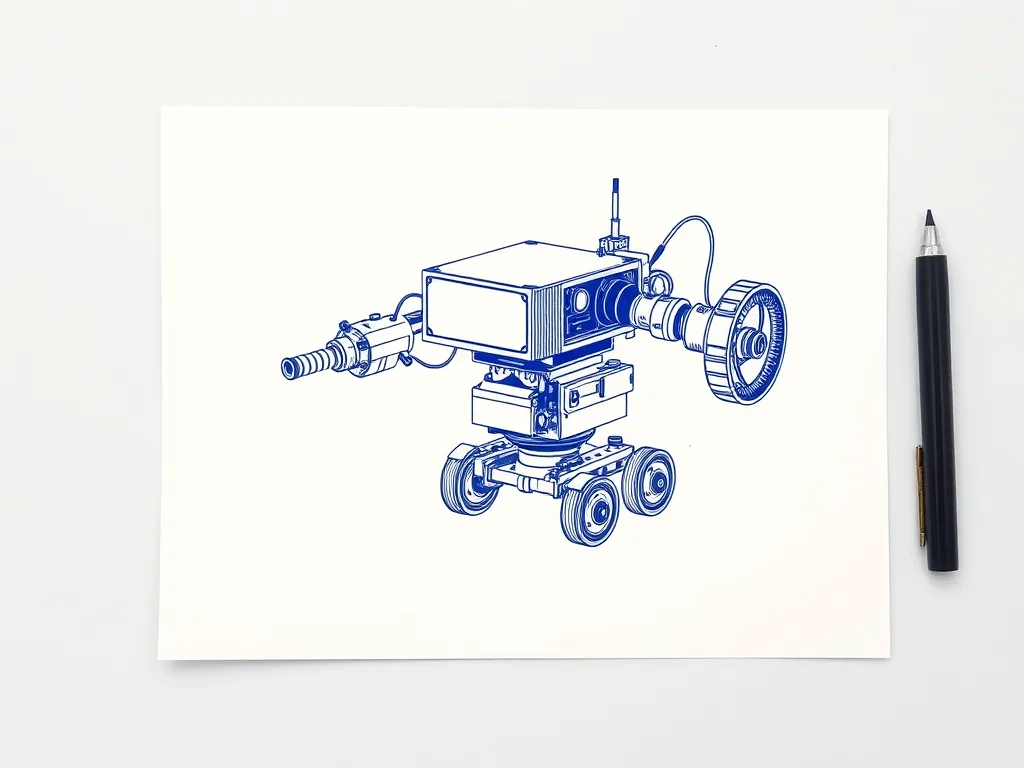
Two Trees GRBL Drawing & Writing Robot Kit
4.2 (142)A budget DIY drawing and writing robot kit on GRBL — heavy on assembly and tuning, light on price, and a genuinely good way to learn how plotters work.
Best for: Tinkerers who want to learn by building and tuning